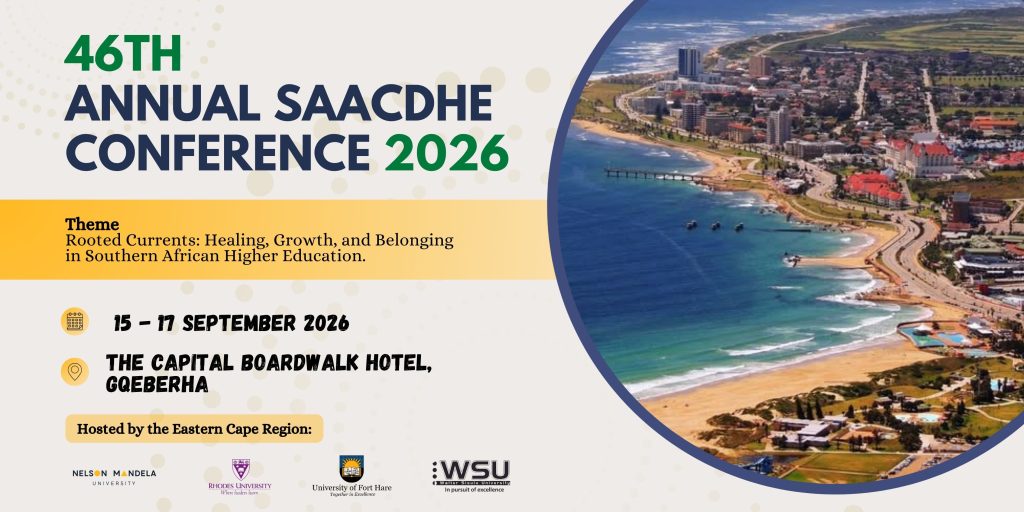
Inspired by the landscapes, legacies, and living traditions of the Eastern Cape, this conference will explore student wellbeing through culturally grounded, future-focused approaches to counselling and development in higher education.
We invite scholars, practitioners, counsellors, student development professionals, and allied partners to contribute work that explores how students heal, grow, and cultivate belonging within complex and evolving higher education contexts.

2026 Conference Theme
Rooted Currents –
Student Healing, Growth, and Belonging in Southern African Higher Education
Conference Sub-Themes

How cultural identity and traditional practices shape student mental health.
- Supporting students through indigenous and spiritual healing practices
- Grounding counselling in Ubuntu and African worldviews relevant to student life
- Promoting language inclusivity and cultural safety in support services
- Helping students navigate identity formation in culturally diverse campuses
- Challenging Western models in favour of student-centred, decolonised practice
Contributions may address indigenous and spiritual healing practices in student support, the grounding of counselling in Ubuntu and African worldviews relevant to student life, language inclusivity and cultural safety in support services, student identity formation within culturally diverse campus contexts, and decolonised, student-centred counselling approaches.

Helping students heal and grow through personal and collective histories.
- Addressing intergenerational trauma that impacts student wellbeing
- Using storytelling and narrative therapy to empower student voices
- Inspiring student resilience through historical role models (e.g. Mandela, Tambo)
- Creating counselling spaces that honour memory, culture, and psychological strength
- Supporting students navigating psychospiritual conflict and ancestral identity
Topics may include intergenerational trauma and its impact on student wellbeing; storytelling and narrative approaches to empower student voices in counselling; drawing on historical role models as sources of resilience; creating counselling spaces that honour memory, culture and psychological strength; and supporting students navigating psychospiritual conflict and ancestral identity.

Preparing students to face modern pressures and dynamic environments.
- Reimagining student counselling policies for a rapidly changing higher education system
- Supporting students affected by social instability and displacement
- Mental health in the digital era: reaching students through virtual platforms
- Equipping students to advocate for their own mental health needs
- Addressing the psychological effects of climate change on young people
Submissions may address how to support students affected by social instability and displacement, mental health in the digital era and how to reach students through virtual platforms, equipping students to advocate for their own mental health needs, addressing the psychological effects of climate change on young people, and reimagining student counselling policies for a rapidly changing higher education system.
Creating mental health systems where every student feels seen and supported.
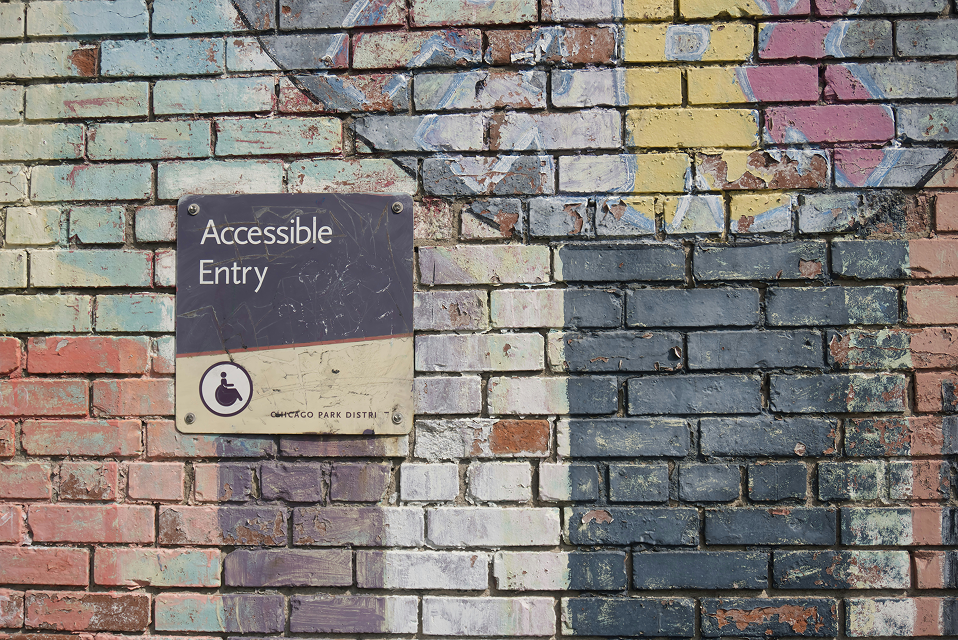
- Developing responsive services for LGBTQIA+, disabled, and marginalised students
- Ensuring equitable access to counselling for rural, multilingual, and low-income students
- Supporting first-generation students in navigating academic culture
- Promoting peer-led and community-based mental health models on campus
- Designing safe, inclusive counselling environments where diverse identities thrive
This sub-theme foregrounds equity, inclusion, and belonging within student mental health systems. Topics may include developing responsive services for LGBTQIA+, disabled, and marginalised students; ensuring equitable access to counselling for rural, multilingual, and low-income students; supporting first-generation students in navigating academic culture; promoting peer-led and community-based mental health models on campus; and designing safe and inclusive counselling environments where diverse identities can thrive.

Empowering those who support students (and doing it together).
- Preventing burnout in campus counsellors and student wellness teams
- Building strong supervision and peer-support systems among practitioners
- Fostering collaboration between counselling, student affairs, and academics
- Advocating for institutional investment in student mental health
- Embracing teamwork to support students holistically in complex campus ecosystems
Contributions may explore burnout prevention among counselling and student wellness staff; supervision and peer support systems for practitioners; collaboration across counselling, student affairs, and academic departments; and institutional advocacy for sustained investment in student mental health.
Important Dates
Abstract and Presentation Deadlines
| First Call for Abstracts | 25 February 2026 |
| Second Call for Abstracts | 17 March 2026 |
| Third Call for Abstracts | 28 April 2026 |
| Closing Date for Abstract Submission | 10 July 2026 |
| Final Abstract Committee Communiqué | 31 July 2026 |
| Submission of Presentations for Preloading | 05 September 2026 |
Conference registration and payment
| Registration opens | 11 May 2026 |
| Registration closes | 14 August 2026 |
| Final date for Proof of Payment | 31 August 2026 |
Abstract submission
Types of Submissions
The conference welcomes four types of submissions. All presentations should encourage participation, initiate critical reflection, and foster engaging dialogue.
Conceptual Papers
A conceptual paper should present new ideas, summarise current knowledge, and/or describe application to enhance learning and best practice.
Research Papers
A formal paper demonstrating analysis, interpretation, and logical argument based on in-depth independent research conducted.
Workshops
A semi-structured workshop or group that promotes engagement and discussion amongst professionals to promote learning and enhance practice in the domain of student development and support. Clear objectives and learning outcomes, designed to enhance practice and allow for application in student development and support.
Conference Posters Emerging research, innovative practices, programme evaluations, or case studies in a visually engaging format. Abstracts should include the purpose of the poster, context, brief description of methods or approach, key insights or preliminary findings, and the relevance to student counselling and development in higher education.
Abstract review criteria
Abstracts will be reviewed based on their relevance to the conference themes, clarity of background, statement, findings, discussion and recommendations, adherence to the required abstract structure, contribution to student development and counselling practice, and compliance with the prescribed word count.
Submit your abstract
- Step 1: Download and complete the abstract submission form.
- Step 2: Email the completed form and a 1 page CV of presenter(s) to conference@saacdhe.co.za with SAACDHE Conference 2026 – Abstract Submission in the subject line.
- The closing date for abstract submission is 10 July 2026.
Conference venue
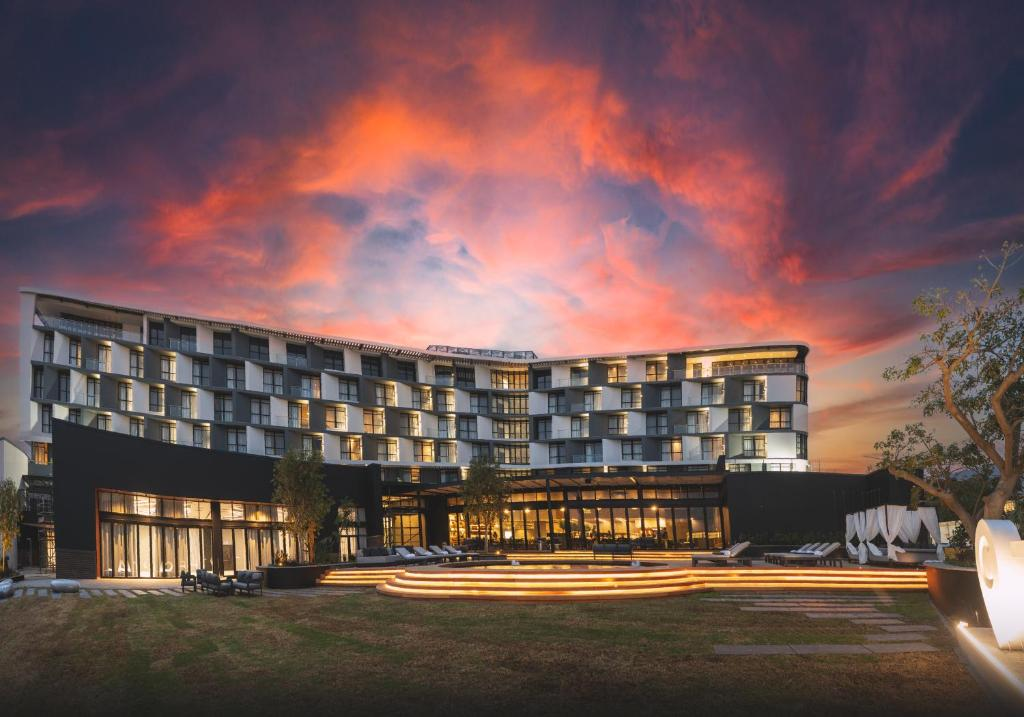
The venue for the 2026 SAACDHE Conference is The Capital Boardwalk Hotel, Gqeberha.
Conference registration
Registration for the 2026 SAACDHE Conference is now open.
Conference registration fee
- SAACDHE Member: R5800
- Non-Member: R6200
- Intern: R5500
You will receive an invoice once you have submitted your registration.
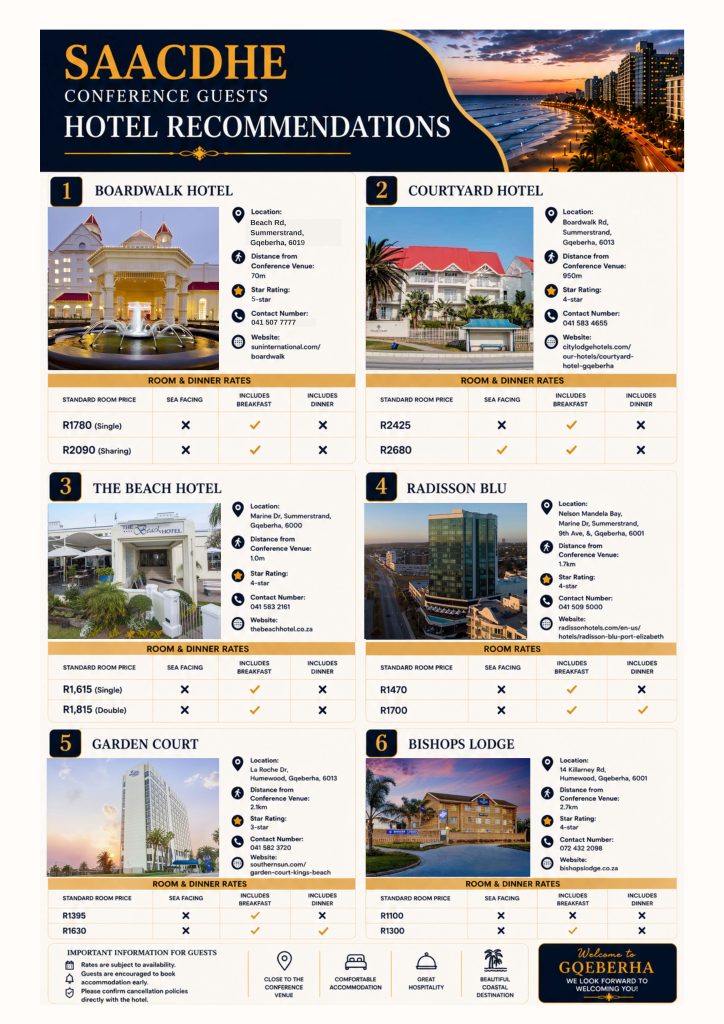
Conference accommodation